
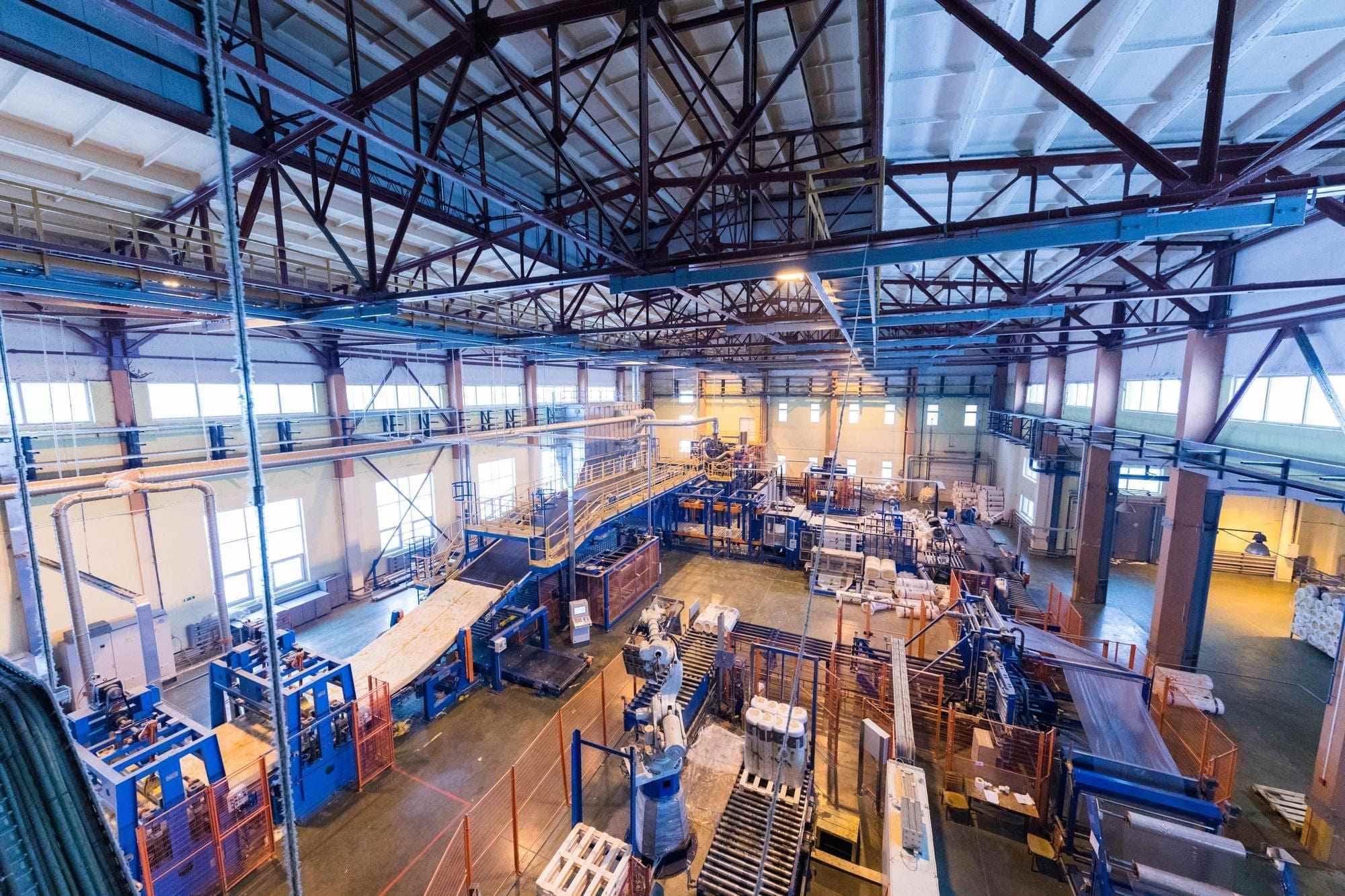
The Connectivity Paradox defines modern industrial operations: manufacturers generate more data than at any point in history, yet they struggle to extract actionable insights from it. Factories are filled with sensors, programmable logic controllers, and enterprise resource planning systems, but these technologies often operate in isolated silos. This fragmentation creates a “Hidden Factory” where inefficiencies, unplanned downtime, and quality defects go unnoticed until they impact the bottom line. Smart manufacturing solves this paradox by unifying disconnected systems into a single, intelligent ecosystem. By leveraging advanced technologies like the Industrial Internet of Things (IIoT), artificial intelligence, and edge computing, smart manufacturing transforms raw data into predictive insights, enabling manufacturers to optimize production, reduce costs, and build resilient supply chains.
Smart Manufacturing Explained
Smart manufacturing connects disconnected industrial systems into a unified, predictive ecosystem, enabling manufacturers to increase production output by up to 20% while reducing operational costs. The smart manufacturing definition, as established by the U.S. National Institute of Standards and Technology (NIST), describes it as a technology-driven approach that integrates physical production processes with digital systems to create a fully connected, adaptive, and predictive industrial environment. Unlike traditional manufacturing, which relies on reactive maintenance and manual data entry, smart manufacturing utilizes real-time data collection and advanced analytics to automate decision-making and optimize operations. This approach is the cornerstone of Industry 4.0, representing the shift from mechanized production to cyber-physical systems. By connecting machines, people, and processes through a Unified Namespace, smart manufacturing eliminates data silos and provides a single source of truth across the entire enterprise.
| Entity | Attribute | Value |
|---|---|---|
| Smart Manufacturing | Core Objective | Optimize production through real-time data and predictive analytics |
| Smart Manufacturing | Foundational Architecture | Unified Namespace connecting all industrial assets |
| Smart Manufacturing | Primary Technologies | IIoT, AI/ML, Cloud Computing, Digital Twins, Edge Computing |
| Smart Manufacturing | Key Differentiator | Proactive and predictive operations versus reactive traditional methods |
| Smart Manufacturing | Primary Benefit | Up to 20% improvement in production output and employee productivity |
How Did Smart Manufacturing Evolve?
Smart manufacturing evolved from basic computer automation into today’s cyber-physical systems, providing the foundation for modern factories to adapt to market changes in real time. The concept of smart manufacturing represents the latest phase in a centuries-long industrial evolution. The first industrial revolution introduced water and steam power, the second brought mass production via electricity, and the third introduced basic computer automation. The term “smart manufacturing” was coined in the mid-2000s to describe the fourth industrial revolution (Industry 4.0), where cyber-physical systems, cloud computing, and advanced analytics converge to create factories that can adapt in real time to changing production demands.
Smart Manufacturing vs. Traditional Manufacturing
Smart manufacturing replaces the reactive, siloed processes of traditional manufacturing with predictive, automated workflows that eliminate the “Hidden Factory” of unnoticed inefficiencies. Understanding the shift requires comparing the legacy approach with the modern digital ecosystem. Traditional manufacturing operates in silos, whereas smart manufacturing operates as a cohesive network.
| Feature | Traditional Manufacturing | Smart Manufacturing |
|---|---|---|
| Data Collection | Manual, paper-based, or siloed in disconnected software | Automated, real-time, and centralized via IIoT sensors |
| Maintenance Strategy | Reactive (fix when broken) or calendar-based | Predictive (fix before failure based on condition monitoring) |
| Quality Control | Manual sampling at the end of the production line | Automated, inline inspection of every unit using AI vision |
| Supply Chain | Rigid, opaque, and vulnerable to sudden disruptions | Agile, transparent, and dynamically responsive to market shifts |
| Decision Making | Historical, relying on lagging indicators and intuition | Predictive, relying on real-time data and machine learning |
Smart Manufacturing vs. Intelligent Manufacturing
Smart manufacturing provides the essential data connectivity foundation required before a facility can achieve the autonomous, self-optimizing capabilities of intelligent manufacturing. While often used interchangeably, smart manufacturing and intelligent manufacturing represent different maturity levels. Smart manufacturing focuses on connectivity, real-time data collection, and providing human operators with the insights needed to make better decisions. Intelligent manufacturing takes this a step further by integrating advanced artificial intelligence to build an ecosystem that can make complex decisions autonomously, self-optimize, and adapt with minimal human intervention. Smart manufacturing is the necessary foundation upon which intelligent manufacturing is built.
How Does Smart Manufacturing Work?
Smart manufacturing works by deploying a layered technology stack—from IIoT sensors to AI analytics—that captures real-time data and delivers actionable insights directly to operators. Implementing a smart manufacturing process requires a layered technology stack that captures, processes, and acts upon industrial data in real time. This architecture moves beyond isolated smart manufacturing technologies to create a cohesive system where every component communicates seamlessly.
The foundation begins with the Industrial Internet of Things (IIoT). Sensors and edge devices are deployed across the factory floor to capture continuous data streams from legacy machines, modern equipment, and environmental monitors. This raw data includes vibration metrics, temperature readings, cycle times, and energy consumption rates. Edge computing processes this data locally, enabling immediate responses to critical anomalies without the latency associated with cloud transmission.
Once captured, the data flows into a centralized architecture, typically structured as a Unified Namespace. This acts as the central nervous system of the smart factory, ensuring that data from the shop floor (OT) and the top floor (IT) is standardized and accessible. Cloud computing provides the scalable infrastructure necessary to store and analyze these massive datasets.
At the analytical layer, artificial intelligence and machine learning algorithms process the aggregated data to identify patterns, predict failures, and prescribe corrective actions. These insights are then delivered to operators and managers through connected worker platforms and augmented reality interfaces, empowering the workforce to make data-driven decisions. Intelycx CORE facilitates this exact architecture by providing a robust data connectivity layer that bridges the gap between disparate systems and advanced analytics.
Additional technologies expand this ecosystem. Digital twins create virtual replicas of physical assets, allowing engineers to simulate production changes without risking live downtime. Additive manufacturing (3D printing) enables rapid prototyping and the production of complex geometries in a single step, reducing time-to-market. Collaborative robots (cobots) work safely alongside human operators, taking over repetitive or dangerous tasks while equipped with sensors that prevent workplace injuries.
What Are the Key Smart Manufacturing Use Cases?
Key smart manufacturing use cases, such as predictive maintenance and automated quality control, directly resolve persistent industrial bottlenecks and deliver measurable ROI within months of deployment. Deploying smart manufacturing systems unlocks specific, high-value applications that directly impact operational efficiency and product quality. These smart manufacturing use cases demonstrate how connected technologies solve persistent industrial challenges. Smart manufacturing IoT connectivity is the enabler that makes each of these applications possible, providing the real-time data streams that power intelligent decision-making.
Predictive maintenance represents one of the most impactful applications of smart manufacturing technology. By continuously monitoring machine health through vibration and temperature sensors, AI algorithms can detect the early warning signs of component degradation. Instead of relying on calendar-based maintenance schedules or waiting for a catastrophic failure, maintenance teams receive automated alerts to replace parts precisely when needed. Industry benchmarks indicate this approach reduces unplanned downtime by up to 30% and extends the lifespan of critical capital assets.
Quality assurance is transformed through automated, inline inspection systems. Traditional quality control relies on manual sampling, which allows defects to pass through the production line undetected until final inspection. Smart manufacturing integrates computer vision and AI to inspect every single unit in real time. These smart manufacturing examples are visible across industries: pharmaceutical companies utilize advanced analytics and digital twins for early fault detection to reduce batch rejections, while automotive manufacturers deploy cobots equipped with vision systems to ensure precise assembly. If a defect is detected, the system automatically adjusts machine parameters to correct the issue or halts production to prevent further waste. Intelycx NEXACTO powers this capability, utilizing advanced AI to identify microscopic defects and ensure absolute product consistency.
Supply chain optimization leverages real-time data to build resilient and responsive logistics networks. Smart manufacturing extends visibility beyond the factory walls, integrating data from suppliers, logistics providers, and customer demand signals. This end-to-end transparency allows manufacturers to dynamically adjust production schedules based on material availability and market fluctuations, minimizing inventory holding costs and preventing stockouts.
Energy management and sustainability are optimized through continuous monitoring of utility consumption. Smart sensors track electricity, water, and gas usage at the machine level, identifying inefficiencies and energy spikes. AI systems analyze this data to optimize machine startup sequences and adjust operating parameters for maximum energy efficiency, significantly reducing the facility’s carbon footprint and operational overhead.
Knowledge capture and workforce empowerment address the growing crisis of the Silver Tsunami. As experienced operators retire, they take decades of tribal knowledge with them. Smart manufacturing platforms digitize this expertise, converting manual procedures into interactive, augmented reality-guided work instructions. Intelycx ARIS captures this critical knowledge, delivering contextual guidance to new operators and accelerating training times while reducing human error.
What Are the Benefits of Smart Manufacturing?
The primary benefits of smart manufacturing include up to a 20% increase in production output, significant reductions in unplanned downtime, and enhanced agility to meet shifting market demands. The transition to a smart factory delivers quantifiable improvements across every key performance indicator, with recent industry surveys showing that 95% of manufacturers are currently using or assessing these technologies. These benefits compound as the organization matures its digital capabilities and scales technologies across multiple facilities.
Operational productivity increases significantly through the elimination of manual data entry and the reduction of machine idle time. Real-time visibility into production bottlenecks allows managers to reallocate resources dynamically. According to Deloitte’s 2025 Smart Manufacturing Survey, implementing these systems yields a 10% to 20% improvement in production output and a 7% to 20% improvement in employee productivity. Automated workflows streamline administrative tasks, freeing operators to focus on high-value problem-solving activities.
Cost reduction is achieved through multiple vectors. Predictive maintenance eliminates the exorbitant costs associated with emergency repairs and expedited parts shipping. Automated quality control reduces scrap rates and rework, ensuring that raw materials are utilized efficiently. Furthermore, optimized energy consumption lowers utility bills, directly improving profit margins.
Agility and market responsiveness become core competitive advantages. Traditional manufacturing lines require extensive downtime for changeovers and retooling. Smart manufacturing systems utilize modular equipment and digital twins to simulate and execute changeovers rapidly. This flexibility allows manufacturers to accommodate customized orders and shift production priorities in response to sudden market demands without sacrificing efficiency.
Workplace safety is enhanced through the deployment of collaborative robots and continuous environmental monitoring. Hazardous tasks, such as heavy lifting or operating in extreme temperatures, are automated, reducing the risk of workplace injuries. Wearable sensors monitor operator fatigue and exposure to harmful substances, ensuring a safer and more compliant working environment.
What Challenges Do Manufacturers Face When Implementing Smart Manufacturing?
Manufacturers implementing smart manufacturing face critical challenges in system interoperability, cybersecurity, and workforce adoption, all of which must be addressed to prevent digital silos. Despite the clear advantages, the journey toward digital transformation is fraught with complex obstacles. Understanding these challenges is critical for developing a successful implementation strategy.
System interoperability remains the most significant technical hurdle. Most manufacturing facilities operate a mix of legacy equipment and modern machinery, utilizing proprietary communication protocols that do not natively integrate. Bridging this gap requires sophisticated middleware and a commitment to open data standards. Without a unified architecture, manufacturers simply create digital silos that fail to deliver enterprise-wide insights.
Cybersecurity risks escalate exponentially as physical assets are connected to digital networks. Every IIoT sensor and edge device represents a potential vulnerability that malicious actors can exploit. A successful cyberattack on a smart factory can result in catastrophic operational disruption, intellectual property theft, and severe safety hazards. Robust cybersecurity frameworks, including network segmentation and continuous threat monitoring, are absolute prerequisites for any smart manufacturing initiative.
The digital skills gap threatens to stall implementation efforts. Operating and maintaining advanced AI systems, data analytics platforms, and robotics requires a highly specialized workforce. Manufacturers struggle to recruit data scientists and automation engineers while simultaneously needing to upskill their existing operators. Overcoming this challenge requires significant investment in continuous training programs and intuitive user interfaces that democratize access to complex data.
Change management and cultural resistance often derail technically sound initiatives. Transitioning from traditional methods to data-driven workflows requires a fundamental shift in organizational behavior. Operators often perceive automation as a threat to their job security, while middle management tends to resist abandoning established routines. Successful adoption requires strong executive sponsorship, transparent communication, and a clear demonstration of how the new technologies benefit the workforce.
How Do You Build a Smart Manufacturing Strategy?
Building a successful smart manufacturing strategy requires a phased approach—starting with a digital maturity assessment and targeted pilot projects—to ensure every technology investment drives specific business objectives. Achieving operational excellence requires a structured, phased approach rather than a haphazard deployment of disconnected technologies. A robust smart manufacturing strategy aligns digital investments with specific business objectives.
The first step is conducting a comprehensive digital maturity assessment. Manufacturers must evaluate their current state of connectivity, data collection capabilities, and workforce readiness. This assessment identifies critical gaps in the existing infrastructure and establishes a baseline for measuring future progress. It is essential to map the current technology stack and identify legacy systems that require retrofitting or replacement.
Following the assessment, organizations must define clear, quantifiable business objectives. Technology should never be implemented for its own sake. Whether the goal is reducing unplanned downtime by 15%, decreasing scrap rates by 10%, or accelerating time-to-market, every digital initiative must tie directly to a specific ROI target. This alignment ensures that investments are prioritized based on their potential impact.
The implementation phase must begin with targeted pilot projects. Attempting a facility-wide overhaul in a single phase is a recipe for failure. Manufacturers should select a specific production line or a persistent operational challenge to serve as a proof of concept. For example, deploying predictive maintenance sensors on a single critical asset allows the team to validate the technology, refine the data models, and demonstrate quick wins to secure broader organizational buy-in.
Scaling the solution requires the establishment of a scalable data architecture. As pilot projects succeed, the underlying infrastructure must be capable of handling exponentially larger data volumes. Implementing a Unified Namespace ensures that new machines and software applications can be integrated seamlessly without disrupting existing operations. This architectural foundation is critical for expanding smart manufacturing capabilities across multiple facilities and global supply chains.
Continuous optimization is the final and ongoing phase of the strategy. Smart manufacturing is not a destination but a continuous cycle of improvement. Manufacturers must regularly review the data generated by their systems to identify new optimization opportunities, refine AI algorithms, and adapt to evolving market conditions. By fostering a culture of digital kaizen, organizations ensure that their smart manufacturing investments deliver compounding value over time.
Glossary
Cobot: A collaborative robot designed to work safely alongside human operators in a shared workspace, equipped with sensors to prevent injury.
Digital Twin: A virtual replica of a physical asset, process, or system that uses real-time data to simulate, predict, and optimize performance without interrupting live operations.
Edge Computing: A distributed computing paradigm that brings computation and data storage closer to the location where it is needed, reducing latency and bandwidth use.
Industrial Internet of Things (IIoT): The extension and use of the Internet of Things in industrial sectors and applications, focusing on machine-to-machine communication, big data, and machine learning.
Industry 4.0: The Fourth Industrial Revolution, characterized by the ongoing automation of traditional manufacturing and industrial practices using modern smart technology.
Overall Equipment Effectiveness (OEE): A standard for measuring manufacturing productivity, calculated by multiplying availability, performance, and quality.
Predictive Maintenance: A technique that uses data analysis tools and techniques to detect anomalies in operation and possible defects in equipment and processes so they can be fixed before failure occurs.
Smart Manufacturing: An integrated approach to production that leverages advanced digital technologies, including IIoT, AI, cloud computing, and automation, to create connected, intelligent, and adaptive manufacturing environments.
Tribal Knowledge: Unwritten operational expertise held by experienced workers that is at risk of being lost when those workers retire, a challenge directly addressed by smart manufacturing knowledge-capture systems.
Unified Namespace: A software architecture that acts as a centralized repository for all data generated within a manufacturing enterprise, providing a single source of truth.
How Intelycx Helps Turn Manufacturing KPIs into Daily Guidance
Manufacturing KPIs only create value when they are accurate, real-time, and connected to action. That is the gap Intelycx is built to close.
The Intelycx platform connects legacy and modern machines into a single data foundation, normalizes and enriches signals so KPIs are calculated consistently across lines and sites, and provides real-time dashboards for operators, engineers, and leaders. On top of this connected data, Intelycx layers AI-driven insights so teams understand not just what changed in a KPI, but why, and what to do about it.
If you are working to move beyond spreadsheets and lagging reports, a unified manufacturing AI platform like Intelycx can help you turn KPIs from static charts into a living system for maximizing production efficiency every day. You can learn more about our solutions and approach at intelycx.com.